
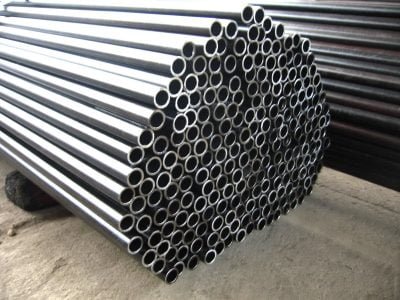
Nickel alloys are the unsung backbone of industries that operate where ordinary metals fail. This post, written from two decades of steel and alloy industry experience, explains what nickel alloys are, why they outperform other materials in hostile conditions, which grades matter most, where they’re used, how to weigh cost against performance, and what the market outlook means for buyers and specifiers.
What are Nickel Alloys
Nickel alloys are metal alloys with nickel as the principal element, blended with chromium, molybdenum, copper, iron, or other elements to tailor mechanical and chemical performance. They range from nearly pure nickel grades to complex “superalloys” engineered for extreme heat, pressure, and corrosive chemistries. These alloys are formulated to preserve strength, resist degradation, and maintain dimensional stability where carbon steels and common stainless steels would fail.
Unique properties
- Corrosion resistance. Nickel’s chemistry forms stable, protective surface films and, when alloyed with chromium and molybdenum, resists pitting, crevice corrosion, and attack by acids and chlorides.
- High temperature tolerance. Many nickel-based superalloys retain tensile strength, creep resistance, and oxidation resistance at temperatures where other alloys soften or scale.
- Mechanical stability. Nickel alloys maintain toughness and fatigue resistance across wide temperature ranges, making them ideal for cyclic and high-stress environments.
Nickel Alloy Key Grades
Below is a concise comparison of the three most referenced nickel-alloy families for industrial use.
| Alloy | Primary composition | Strengths | Typical uses | Relative cost |
| Inconel | Nickel-chromium-iron | High temperature strength; oxidation resistance | Gas turbines; aerospace; heat exchangers | High |
| Monel | Nickel-copper | Excellent resistance to seawater and alkalis; good toughness | Marine hardware; seawater valves; chemical piping | Moderate–High |
| Hastelloy | Nickel-molybdenum-chromium | Exceptional resistance to strong acids and reducing environments | Chemical processing; nuclear; pollution control | Very High |
Each family contains multiple specific grades optimized for particular chemistries and mechanical demands. Choose the grade by matching the alloy’s corrosion map and temperature capability to the service environment.
Where Nickel Alloys Are Used
- Aerospace. Turbine blades, combustor liners, and exhaust components rely on nickel superalloys for creep resistance and oxidation protection at extreme temperatures.
- Marine. Monel and similar nickel-copper alloys resist seawater corrosion for pumps, shafts, and fasteners.
- Nuclear. Nickel alloys are used in reactor components and steam systems where radiation, high temperature, and corrosive coolants demand long-term stability.
- Chemical processing. Hastelloy and related grades handle aggressive acids, chlorides, and mixed-phase chemistries in reactors, piping, and heat exchangers.
Cost versus Performance
Cost is higher for nickel alloys than for carbon steel or common stainless steels, but the true metric is lifecycle value. Upfront material and fabrication costs are offset by longer service life, reduced downtime, fewer replacements, and lower risk of catastrophic failure in critical systems. For corrosive or high-temperature services, specifying a nickel alloy often reduces total cost of ownership. When evaluating options, quantify replacement intervals, maintenance costs, safety margins, and regulatory or warranty penalties for failure.
Global Demand Outlook
Demand for nickel alloys is driven by growth in aerospace, energy transition projects, chemical processing, and marine infrastructure. As industries push for higher efficiency, higher temperatures, and more aggressive chemistries, demand for specialty nickel grades and superalloys is expected to remain robust. Supply-side factors—nickel feedstock availability, geopolitical influences, and recycling rates—will influence price volatility and lead times, making early procurement planning and supplier partnerships essential.
Practical Guidance For Specifiers
- Match environment to alloy family. Use corrosion charts and vendor data to map service chemistry and temperature to candidate grades.
- Consider fabrication and joining. Some nickel alloys require special welding procedures and post-weld heat treatments. Factor fabrication capability into supplier selection.
- Plan for lead times. High-performance grades can have longer procurement cycles; order with schedule buffers.
For Buyers: Ask At least Three Established Suppliers For:
- Basic ₹/kg and total value.
- GST and freight separately.
- Stock or mill production.
- Exact heat number and MTC.
- Seamless/welded confirmation.
- Delivery period and validity.
- Whether the price is for net weight or theoretical weight.
RFQ wording to obtain a genuine price – Send suppliers a specification such as:
Hastelloy C276 seamless pipe, UNS N10276, ASTM B622, NPS 2, Sch 40, OD 60.3 mm, wall 3.91 mm, random length 5–6 m, solution annealed, hydro-tested, PMI required, EN 10204 3.1 MTC, quantity _ kg, delivery to _, quote separately for basic price, GST, freight and delivery.
Explore our Nickel Alloy Products
Metallica Metals — SteelPipesFactory.com supplies a curated range of nickel alloys, from corrosion-resistant Monel piping to high-temperature Inconel components and Hastelloy process fittings. Explore our nickel alloy product line to find certified grades, datasheets, and fabrication options tailored to your project needs. Contact our technical team for latest nickel alloy price list, grade selection, custom fabrication, and lifecycle cost comparisons.







Leave A Comment